
ORB: The Autonomous AI Teammate Platform — Why Chatbots Answer Questions While ORB Finishes Work
Chatbots answer questions. ORB finishes work. Discover the architecture of autonomous digital colleagues with persistent memory, containerized virtual Linux computers, live human takeover, and multi-agent delegation.
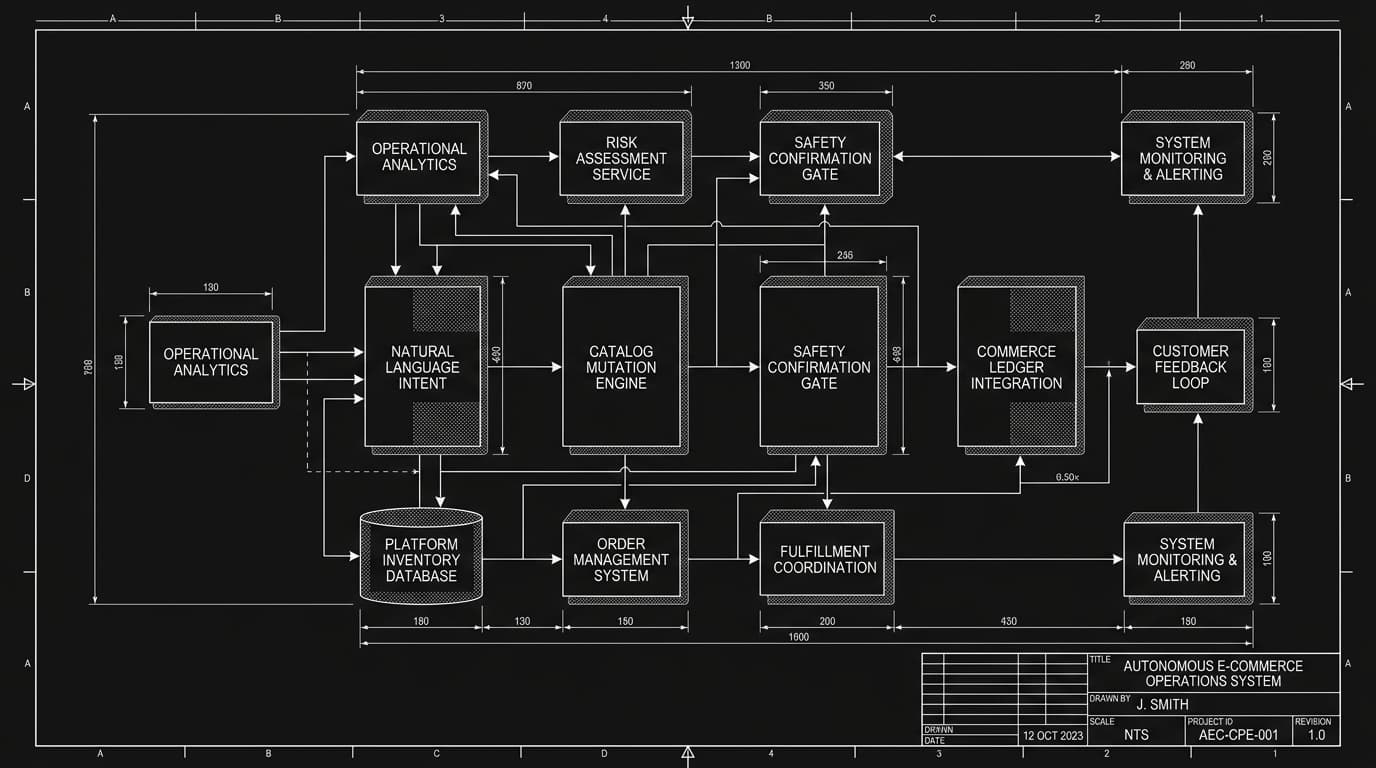
The fundamental limitation of first-generation AI chatbots is their ephemeral existence. You open a browser tab, engage in conversational dialogue, receive suggestions or code snippets, and when you close the tab, the state vanishes. The AI has no ongoing life, no access to a real filesystem, and zero ability to actually interact with the software you use to run your business.
ORB fundamentally re-architects this paradigm. It treats artificial intelligence not as a temporary text completion endpoint, but as a durable digital colleague. Each bot maintains an ongoing identity, owns a dedicated containerized workspace, and operates real web applications and terminals just like an engineer or operations specialist sitting beside you.
1. What Is ORB? (The Colleague Paradigm)
ORB is designed around the premise that artificial intelligence is most valuable when it behaves like a reliable colleague rather than a disposable search assistant. Each bot created within Orbit possesses four foundational properties:
- ›Identity & Continuing Life: A bot possesses a persistent role, instructions, long-term memory, and dedicated storage. Conversations with a bot do not reset; they form an ongoing working relationship.
- ›Operates a Real Computer: An orb can open a virtual browser, click buttons, download files, execute shell commands, edit codebases, inspect DOM elements, and automate complex cloud software.
- ›Works While You Sleep: Through background daemons and event-driven schedulers, orbs execute tasks asynchronously, wake up on schedules or webhooks, and deliver finished results to your channels.
- ›Fully Owned by You: ORB is model-agnostic and self-hostable. You are never locked into a single proprietary vendor, cloud silo, or API provider.
2. Durable Virtual Computers & Live Desktop Takeover
Every bot can access a full Linux container sandbox featuring an X11 graphical desktop, Chromium browser, shell terminal, and filesystem. This allows orbs to automate workflows across complex enterprise web applications that lack public APIs.
When a bot encounters a challenge that requires human authentication—such as an SMS two-factor authentication (2FA) prompt, a CAPTCHA gate, or a payment confirmation—it does not halt permanently. Through Live Interactive Desktop Takeover, the operator can click "Takeover" in the browser to stream the mouse and keyboard directly into the virtual container, solve the challenge in seconds, and hand control right back to the orb to resume its autonomous execution.
3. Team Computers vs. Private Computers
Most computer-use systems isolate every single execution into a disposable container, forcing orbs to re-authenticate and re-download dependencies repeatedly. ORB introduces the concept of Team Computers versus Private Computers:
Comparing Team vs. Private Computer Sandboxes in ORB
| Dimension | Team Computer (Collaborative) | Private Computer (Zero-Trust) |
|---|---|---|
| Primary Use Case | Shared operations, multi-bot pairing, shared file editing | Financial transactions, sensitive credentials, isolated audits |
| Browser Session State | Shared logged-in sessions across trusted teammates | Isolated browser profile; cookies wiped upon teardown |
| Filesystem Access | Shared persistent workspace mount (/shared/workspace/) | Encrypted ephemeral scratchpad strictly per-bot |
| Multi-Bot Pairing | Bots hand off intermediate artifacts directly on disk | Zero cross-bot communication; air-gapped container |
4. ORB vs. Grok & Traditional Chatbots
While chatbots like Grok or ChatGPT excel at conversation, they remain advice-givers rather than action-takers. ORB operates in an entirely different product category:
From Conversational Advice to Autonomous Execution
| Feature / Dimension | Traditional Chatbots (e.g., Grok) | ORB (AI Teammate OS) |
|---|---|---|
| Fundamental Nature | Conversational chat interface in a browser tab | Autonomous agent operating system with persistent identity |
| Execution Sandbox | Server-side text response or basic script interpreter | Full Linux container with Chromium, X11 desktop, and terminal |
| Visual Computer Use | None (cannot interact with real web apps) | Full computer-use (clicks, types, DOM inspection, live takeover) |
| Persistence & Continuity | Session-bound threads that discard operational state | Persistent bot identity, workspace files, and long-term memory |
| Multi-Agent Collaboration | 1-on-1 isolated user-to-bot chat | Multi-bot spaces with delegation, peer review, and shared computers |
| Autonomy Level | Purely interactive (waits for human input) | Asynchronous background routines that run on schedules or triggers |
| Model Independence | Locked to a single provider’s models (xAI) | Model-agnostic (DeepSeek, Claude, Gemini, OpenAI, or local Ollama) |
| Data Privacy & Hosting | Hosted exclusively on proprietary vendor clouds | 100% self-hostable on your own infrastructure (Docker, VPS) |
| Messaging Reach | Limited to platform web apps / mobile apps | Everywhere you work (Web SPA, Desktop, Slack, Telegram, Email) |
5. Practical Everyday Workflows
Here is how high-velocity teams put ORB to work across real production domains:
- ›Autonomous Code Maintenance: A bot pulls a repository branch inside its container sandbox, executes the test suite, investigates failing assertions, modifies source files, verifies the fix, and opens a GitHub pull request.
- ›Multi-Step Procurement & Invoicing: A bot logs into supplier portals on a daily cron schedule, downloads PDF invoices, cross-references line items against a PostgreSQL database via MCP, and notifies Slack for one-click approval.
- ›Visual Competitive Intelligence: A research agent monitors competitor storefronts, captures full-page visual screenshots using Chromium, analyzes pricing model changes, and compiles an interactive visual briefing document.
- ›Customer Support Co-Pilot: An agent monitors support queues, verifies account telemetry through connected databases via MCP, drafts empathetic resolutions, and requests human confirmation before dispatching replies.
Frequently Asked Questions
- [Q]Can ORB run on my local machine?
- Yes. ORB can run containers locally using Docker on macOS, Linux, or Windows, or connect directly to on-demand cloud container providers like E2B, Daytona, Boat, and CreateOS.
- [Q]What is a Non-Blocking Approval Card?
- When a bot requires human approval for a high-risk action (such as deleting files or making payments), an approval card appears inline in the chat. Unlike traditional CLI prompts that freeze your entire session, the thread remains active so you can continue issuing commands while the approval is pending.
- [Q]How does ORB connect to my company data?
- ORB supports the open Model Context Protocol (MCP) as well as native OpenAPI connectors, allowing you to connect PostgreSQL, Snowflake, GitHub, Slack, and over 500+ SaaS applications securely.
[ CROSS-REFERENCES · EXPLORE ORB ACROSS THE FORION PLATFORM: ]
Build with Orbit AI Developer Workspace
Connect live databases, generate native Expo mobile codebases, and eliminate fragmented subscriptions inside one continuous environment.