
What is AI-Native Development? The Comprehensive 2026 Engineering Guide
A deep dive into the paradigm shift from AI-assisted code completion to AI-native software architecture, automated compiler verification, and intent compilation.
The Three Eras of Software Development
To understand what "AI-native" means, we must examine the historical evolution of how software has been written over the past three decades:
- ›Era 1: Manual Syntax Construction (1990s–2020): Developers wrote every line of syntax manually in local text editors. Human cognitive bandwidth was consumed by syntax rules, boilerplate wiring, and manual environment configuration.
- ›Era 2: AI-Assisted Autocompletion (2021–2024): Tools like GitHub Copilot introduced inline autocomplete. While helpful, the developer remained the manual bottleneck: accepting suggestions, fixing regressions, and managing 20 disconnected tools.
- ›Era 3: AI-Native Architecture (2025+): Intent becomes the source of truth. Platforms compile entire applications across multiple surfaces, verify code deterministically with in-browser compilers, and manage live operational workflows automatically.
The 4 Core Pillars of AI-Native Platforms
A true AI-native development platform satisfies four technical requirements:
1. Intent as the Primary Specification
Rather than scattering requirements across PRDs, Figma files, and Jira tickets, the natural-language prompt acts as the living architectural contract that governs code generation, database schema design, and design token scales.
2. Deterministic Compiler Verification Loops
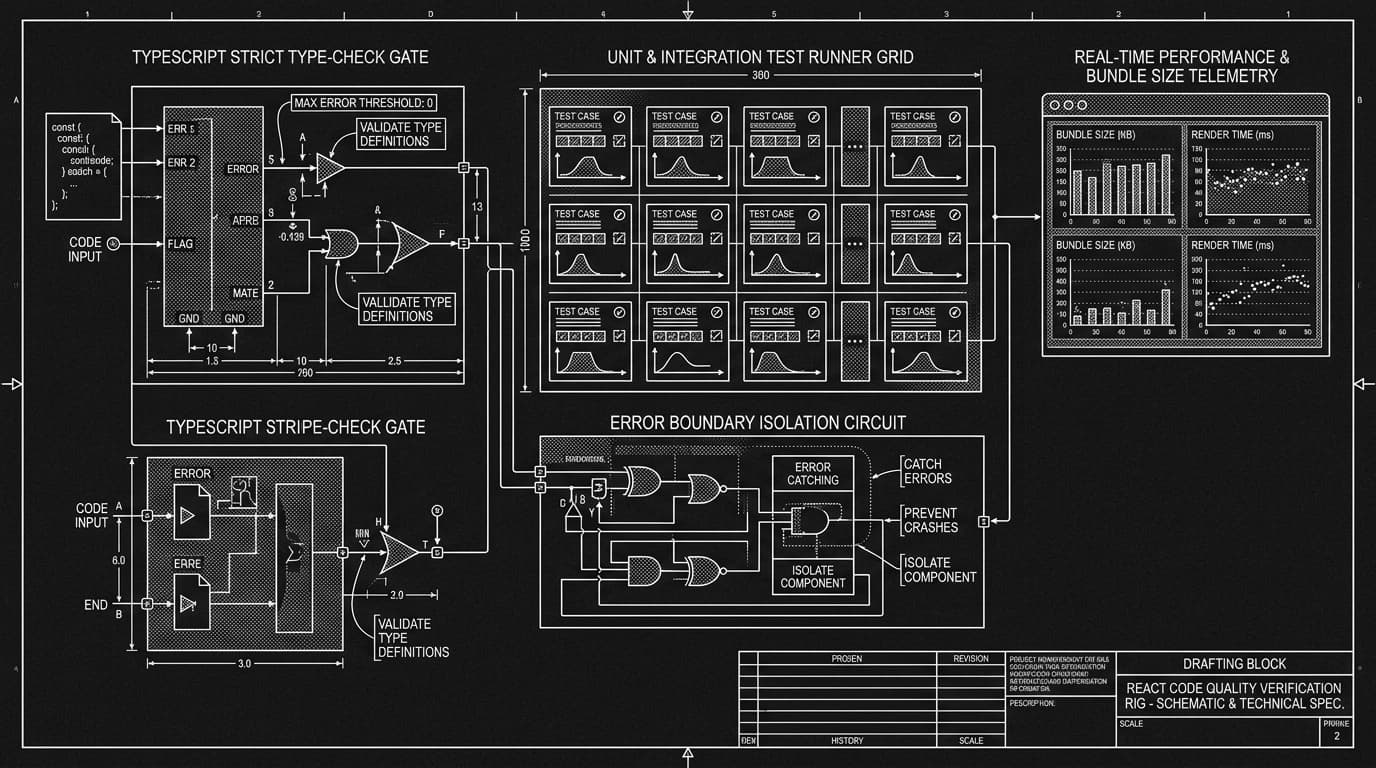
AI-native systems do not rely on raw model confidence. They pipe generated code through strict TypeScript compilers and AST linters, catching regressions and automatically repairing syntax before presentation.
3. Multi-Surface Parallel Synthesis
Instead of treating mobile and backend as separate engineering sprints, AI-native platforms compile full-stack Next.js web applications, Expo React Native mobile apps, and database migrations in parallel from a unified model.
4. Autonomous Operational Sentinels
Software development does not end at deployment. AI-native platforms maintain continuous background sentinels that monitor database metrics, detect operational anomalies, and suggest parameter-safe updates.
The Forion Philosophy: The Collapse of Distance
Forion is engineered as the embodiment of this AI-native philosophy. Through Orbit, Forion collapses the distance between having an idea and operating a production business: planning before coding, maintaining zero platform lock-in, and providing 100% open TypeScript code export.
[ CROSS-REFERENCES · EXPLORE FORION AI-NATIVE DOCUMENTATION & SOLUTIONS ]
Frequently Asked Questions
- [Q]Does AI-native development eliminate the need for software engineers?
- No. It elevates engineers from manual syntax typists to high-level system architects who focus on business logic, security policies, and domain models while AI handles boilerplate scaffolding.
- [Q]What is the main risk of adopting AI-native development?
- Vendor lock-in. Teams must ensure the platform generates standard, open-source code (like Next.js and Expo) that can be exported to GitHub and hosted anywhere with zero platform dependencies.
Build with Orbit AI Developer Workspace
Connect live databases, generate native Expo mobile codebases, and eliminate fragmented subscriptions inside one continuous environment.